
Courses / Micro-Credentials
Deepen your practice.One specialty at a time.
Proposed IHM micro-credentials let working nurses study a single specialty unit from the Graduate Certificate in Advanced Nursing, online, alongside the roster you already have. Compassionate, evidence-based practice, without committing to a whole award on day one.
- 12
- nursing specialties proposed
- 1
- unit per micro-credential
- Online
- parent course delivery
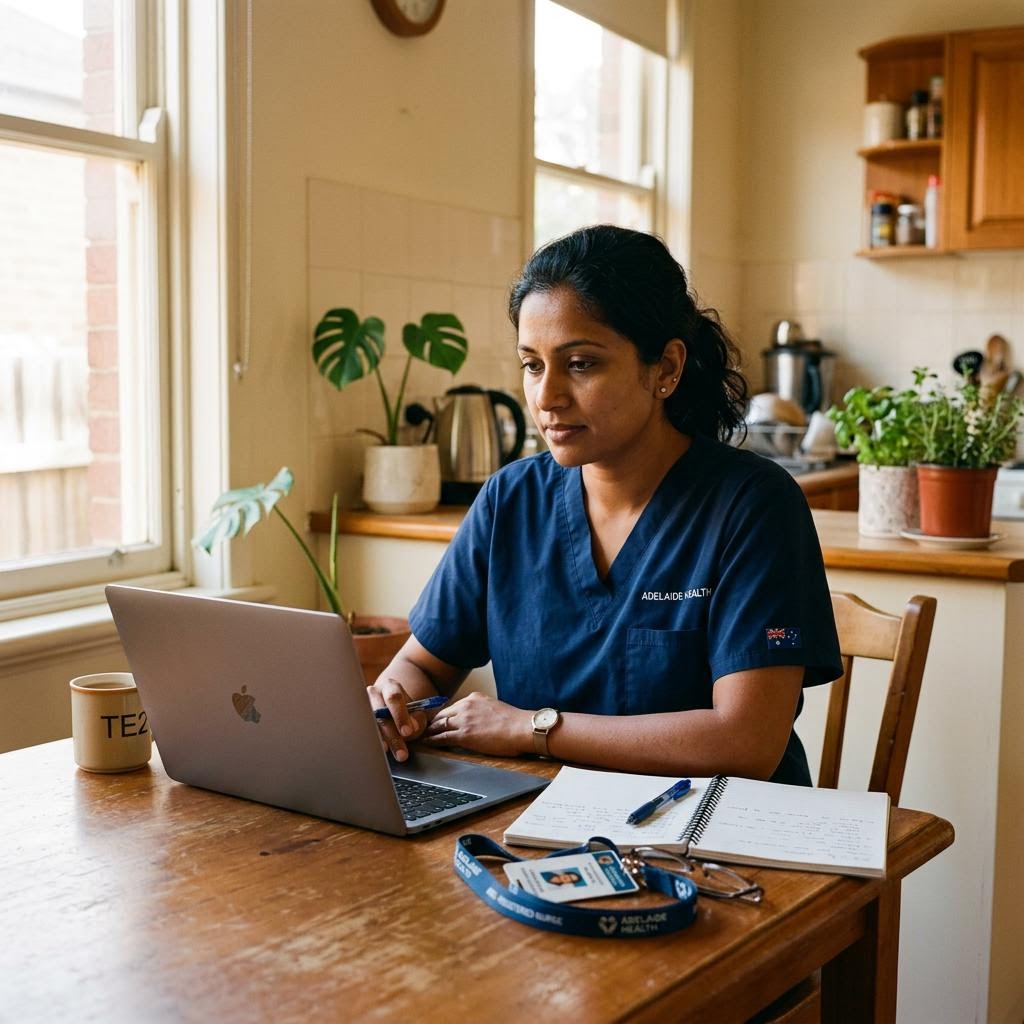
After handover, before the next shift: time that is yours to grow.
Why micro-credentials
Designed for nurses who are already doing the work.
You know which patients you want to care for better. Micro-credentials let you go deep in that specialty first, then decide what comes next.
-
01
Shaped around shift work
Study a focused unit rather than a full award, so learning fits between nights, weekends and family life.
-
02
Compassion at the centre
Every specialty is framed by person-centred, culturally safe care, reflecting IHM’s commitment to caring with passion.
-
03
Evidence you can use on Monday
Clinical reasoning and evidence-based specialist knowledge connected directly to the practice you already do.
-
04
A door, not a dead end
Designed as the same unit taught in the Graduate Certificate, with a proposed credit pathway if you choose to keep going.
How it works
Four steps from curiosity to capability.
-
1
Choose a specialty
Pick from twelve nursing specialties drawn from the official GCAN catalogue.
-
2
Check eligibility
Review the parent-course reference requirements and confirm standalone admission with IHM.
-
3
Study the unit online
Learn the specialty unit content. Duration, dates and assessment details to be confirmed.
-
4
Keep going, if you like
Proposed credit into the Graduate Certificate in Advanced Nursing, subject to IHM policy.
Proposed pathway: specialty micro-credential, then the Graduate Certificate in Advanced Nursing, then further postgraduate study such as a Master of Nursing. Progression depends on meeting each course’s admission requirements. No automatic stacking into other certificates is implied.
The catalogue
Twelve specialties. Find yours.
Search by specialty, unit code, clinical setting or topic.
Showing 12 of 12 micro-credentials
Critical Care Nursing
Anticipate the change before it arrives.
Registered nurses working in, or moving toward, ICU and high-acuity environments.
Acute Care Nursing
Steady hands for the sudden and serious.
Registered nurses caring for patients with brief but serious conditions on busy acute wards.
Emergency Nursing
Clear thinking at the front door of the hospital.
Registered nurses in emergency departments, urgent care and regional EDs.
Neonatal Nursing
The smallest patients, the most precise care.
Registered nurses supporting sick newborns and their families in neonatal and special care settings.
Paediatric Nursing
Care that grows up alongside the child.
Registered nurses caring for infants, children and adolescents in hospital and community settings.
Mental Health Nursing
Presence, theory and practice, held together.
Registered nurses supporting individual and community mental health across settings.
Gerontology Nursing
Dignity, expertise and leadership for later life.
Registered nurses in aged care, rehabilitation and community settings caring for older people.
Orthopaedic Nursing
From trauma to recovery, every movement matters.
Registered nurses in orthopaedic, trauma, rehabilitation and community settings.
Diabetes Nursing
Partnering with people to live well, every day.
Registered nurses supporting people with diabetes, from children to older adults.
Palliative Care Nursing
Comfort, dignity and courage at the end of life.
Registered nurses caring for people with life-limiting conditions and their families.
Perioperative Nursing
An advocate in the room, before, during and after.
Registered nurses in operating theatres, day surgery, endoscopy and recovery.
Renal Nursing
Long relationships, careful science.
Registered nurses in dialysis, transplant, nephrology and chronic kidney disease care.
No specialty matches that search
Try a broader word like “care” or a clinical setting. If the area you are looking for is not listed, IHM would like to hear about it.
What we can tell you today
Nurses deserve straight answers. Here is what is drawn from official IHM sources.
- The twelve specialty units and their codes, from the official GCAN Units of Study tables
- Specialty overviews and published topic themes from official IHM course pages
- Parent-course admission and English requirements, as reference information
- The parent Graduate Certificate is delivered online and TEQSA accredited at AQF Level 8
Still being confirmed
These details depend on IHM approval and will be published before enrolments open.
- Standalone approval and availability
- Unit duration and learning hours
- Fees, payment options and dates
- Assessment types and weightings
- Verbatim accredited unit learning outcomes
- Formal credit rule and digital certification
For health services
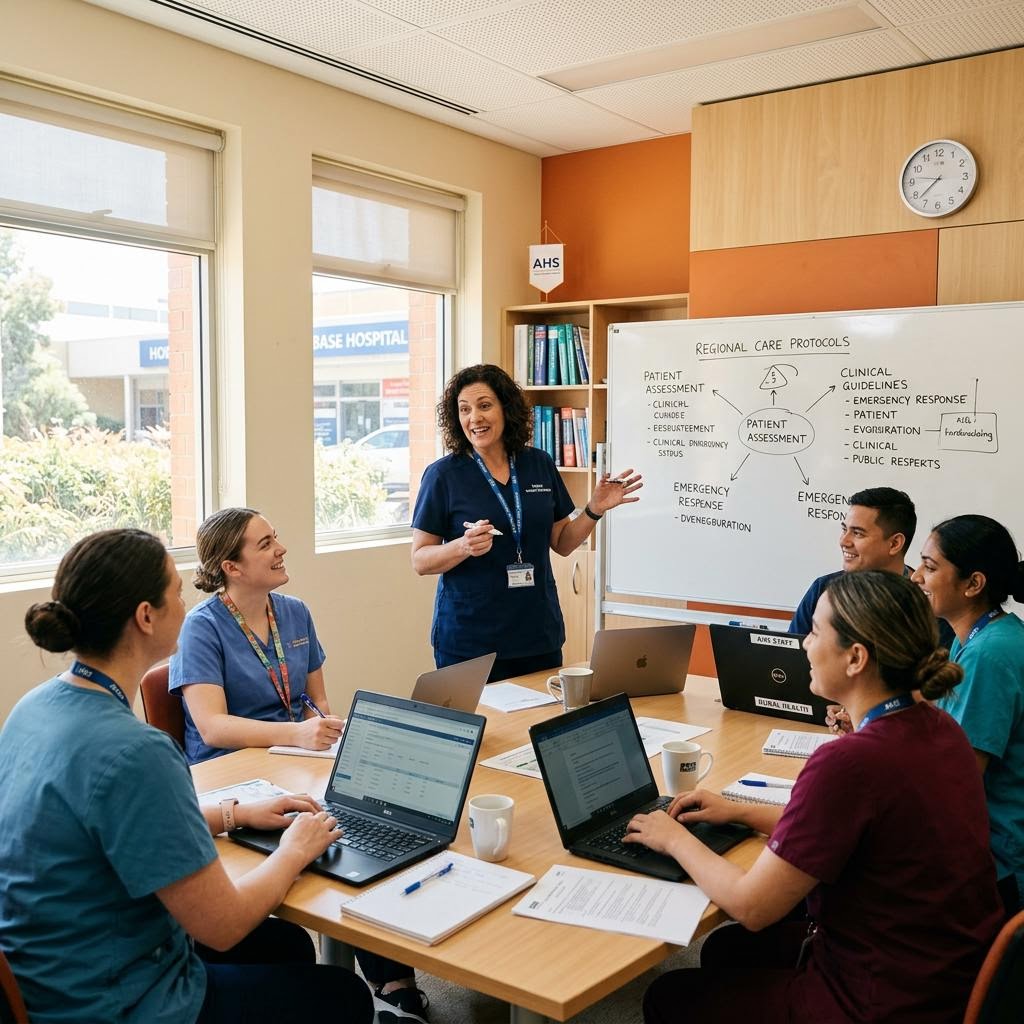
Grow specialist capability on your own wards.
The proposal includes an Industry Hub Partnership model: nominate staff, request cohorts timetabled around rosters, and build a pathway that supports retention and succession.
- Staff nomination
- Roster-aware cohorts
- Progress reporting
- Pathway to the award
Recognised learning for your CPD record
Completing a micro-credential provides formal tertiary study that may be recorded toward the Nursing and Midwifery Board of Australia’s annual CPD requirement, where relevant to your context of practice.
Micro-credentials do not lead to registration, endorsement or a specialist title.
On the horizon
Social Work and Health Management
Further micro-credentials are planned for IHM’s School of Social Work and for health management. No offerings or dates have been approved yet.
Register interest (opens official IHM site in a new tab)Questions nurses ask
Frequently asked
Your patients will feel the difference. So will you.
Talk to IHM about the specialty you care about most. Availability will be confirmed directly by the IHM team.